Licensed Residential Electrician for Safe Home Wiring
A qualified home electrician is necessary for maintaining protected residential electrical systems. Their proficiency guarantees compliance with safety codes, significantly minimizing the potential for electrical dangers. These professionals evaluate existing systems and can detect issues before they escalate into major issues. With a commitment to energy efficiency and reliability, they function as key partners to homeowners. Learning about their role and benefits is vital for any resident undertaking electrical work. What knowledge can be obtained about typical electrical problems and fixes?
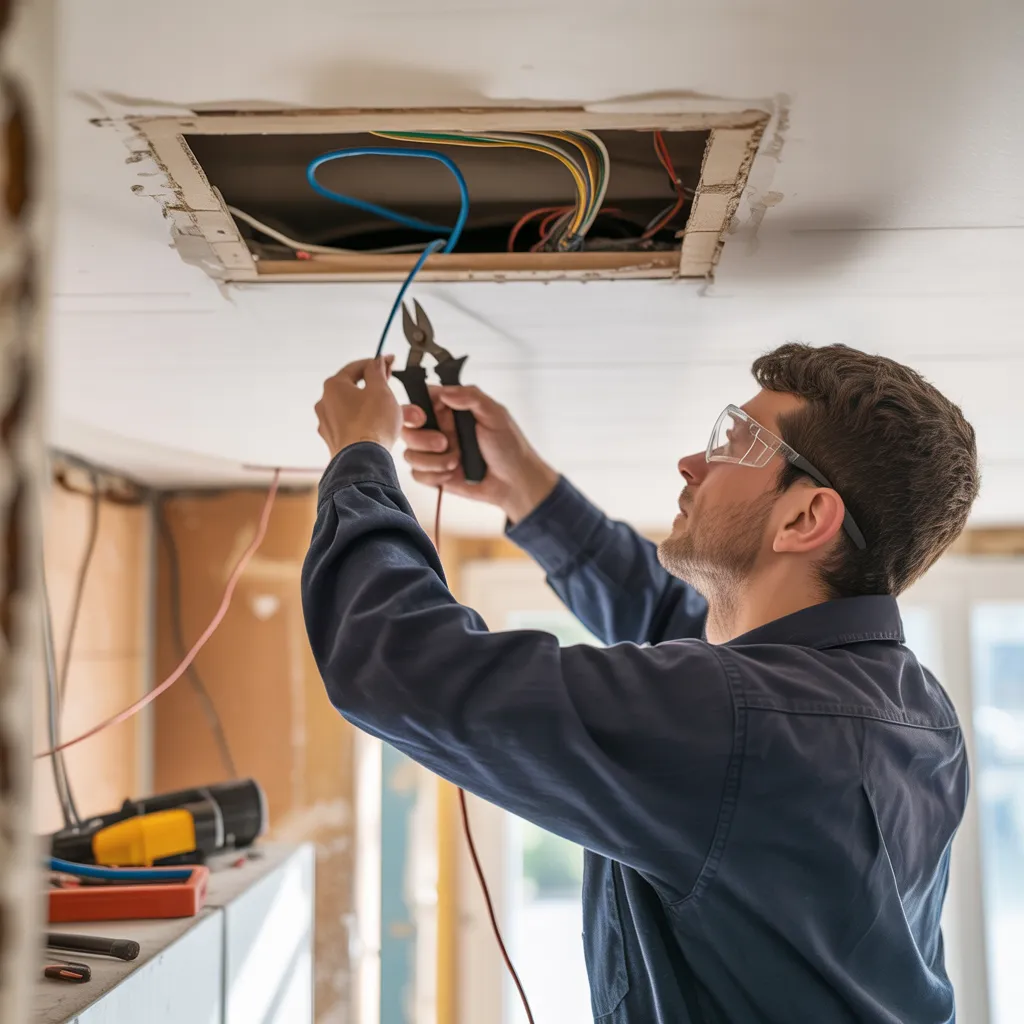
The Responsibilities of a Certified Domestic Electrician
A licensed household electrician warrants the secure and smooth execution of electrical systems within homes. Their main objective involves the assembly, care, and remediation of electrical wiring, fixtures, and equipment. This technician assures that all work adheres to local code standards and safety regulations, mitigating perils tied to electrical problems.
In addition to standard installations, a certified electrician reviews existing electrical systems for potential hazards and inefficiencies, providing solutions that enhance safety and performance. They resolve issues, identify faults, and conduct repairs to prevent future complications.
Moreover, these electricians commonly collaborate with other contractors and homeowners to design electrical layouts for new construction projects or remodels. Their proficiency covers counsel on sustainable practices, supporting homeowners to make thoughtful decisions related to their electrical usage. Overall, a certified residential electrician plays a key role in guaranteeing the reliability and safety of home electrical systems.
Key Perks of Hiring a Certified Residential Electrician
Engaging a qualified home electrician provides numerous advantages that enhance both security and performance in home wiring infrastructure. Primarily, certified electricians possess the required expertise and qualifications to comply with local codes and regulations, guaranteeing that all work meets safety standards. Their proficiency reduces the risk of electrical hazards, such as shorts or fires, which can arise from improper installations.
In addition, these specialists have the benefit of professional-grade equipment and supplies that timely resource permit them to pinpoint and fix complications promptly. This not only saves homeowners time but also reduces the likelihood of persistent difficulties. Furthermore, hiring a licensed electrical professional can boost electrical efficiency, as they can recommend best practices for lighting and appliances.
Ultimately, many certified electricians present guarantees on their efforts, offering mental comfort and cost protection. To finalize, the benefits of hiring a certified residential electrician greatly contribute to safer, more reliable home electrical systems.
5 Regular Electrical Difficulties You Shouldn't Try Fixing on Your Own
While many homeowners may feel tempted to take on minor electrical problems themselves, certain issues should always be left to certified professionals. Issues like frequent circuit breaker trips can indicate hidden wiring problems or overloaded circuits requiring expert evaluation. Likewise, persistent flickering lights can suggest faulty wiring or poor connections that could pose serious safety risks. In addition, any signs of electrical burns or a burning smell must never be ignored, as they could result in fires if not addressed correctly. Homeowners should also refrain from trying to repair outdated or non-compliant electrical systems, since these may not comply with current safety codes. Lastly, dealing with high-voltage systems or trying to install new outlets without the proper knowledge can result in severe injury or damage. Hiring a certified electrician ensures both safety and compliance, safeguarding the home and its occupants from potential hazards.
Finding the Perfect Electrical Professional for Your Home
Selecting the appropriate electrician for a home requires several critical steps. Homeowners should confirm qualifications and certifications, assess the electrician's knowledge and skills, and request detailed estimates. These actions ensure that the chosen professional satisfies the necessary standards for quality and safety.
Check Credentials And Certifications
A qualified electrician can make a significant difference in the safety and functionality of a home’s electrical system. To confirm that an electrician is the correct professional, validating their licenses is important. This process requires searching for state licensing, which proves that the electrician has satisfied the essential educational and training standards. Additionally, one should find certifications from recognized organizations, as these often show a pledge to continuous education in the field. Valid insurance is another important factor, protecting homeowners from potential liabilities. Asking for references can also provide details into the electrician’s reliability and professionalism. Taking these steps can assist homeowners choose a qualified electrician, ultimately ensuring a risk-free living environment.
Analyze Experience And Expertise
How can homeowners confirm they choose an electrician with the correct experience and expertise? One effective approach is to look at the electrician's portfolio, which should present previous projects and the range of services offered. Homeowners should also inquire about the number of years the electrician has been in the industry, as experience often correlates with skill. Additionally, seeking references from past clients can provide insights into the electrician's trustworthiness and quality of work. Certifications and specialized training in specific electrical systems should not be disregarded, as they indicate a commitment to ongoing education. Ultimately, a thorough assessment of an electrician's experience and expertise assures that homeowners can make informed decisions for their electrical needs.
Request In-Depth Quotes
Requesting detailed estimates is an essential step in locating the right electrician for a home. Homeowners should seek quotes from multiple certified residential electricians to compare services and costs effectively. A clear estimate must include labor, materials, and any extra fees, enabling informed decision-making. Asking about warranties or guarantees on the performed work is essential, indicating the electrician's assurance in their skills. Furthermore, transparent communication throughout the estimation process can demonstrate the electrician's professionalism and readiness to address any issues. Examining estimates thoroughly allows homeowners to choose a qualified electrician meeting their budget and safety criteria, resulting in a well-wired, safe living space.
Key Steps in Your Electrical Examination Procedure
The electrical examination procedure comprises multiple essential stages to guarantee compliance and safety. Initially, a visual inspection form is used to spot any obvious issues, followed by testing electrical components for operational capability. Finally, code compliance verification confirms that all installations satisfy current regulations.
Visual Scrutiny Checklist
An in-depth visual inspection checklist is crucial for any residential electrician to guarantee the safety and performance of electrical systems. This checklist commonly involves examining the state of wiring, confirming that it is without fraying or damage. Electricians must also check for correct grounding and bonding, confirming that all connections are tight. Circuit breakers and fuse boxes need to be inspected for signs of overheating or corrosion. Moreover, outlets and switches should be tested for proper installation and functionality, checking for any discoloration or odd noises. Finally, the electrician has to evaluate the overall organization of the electrical panel and ensure all labels are legible. This systematic approach helps detect potential hazards before they become serious problems.
Examining Electrical Parts
Testing electrical parts is a vital step in guaranteeing the safety and reliability of residential electrical systems. A certified residential electrician employs a variety of tools and methods to assess the functionality of outlets, switches, and circuit breakers. This process typically includes measuring voltage, resistance, and continuity to identify any possible issues. Frequent testing helps detect faulty wiring, overloaded circuits, or defective devices that could cause hazards. Additionally, by using specialized tools such as multimeters and circuit testers, electricians can precisely locate problems. Through thorough testing, electricians provide homeowners with peace of mind, making certain that their electrical systems operate efficiently and safely. Proper testing ultimately helps to the extended life of the electrical infrastructure in the home.
Code Conformance Validation
Checking code compliance is important for maintaining safety and functionality in residential electrical systems. Certified residential electricians employ a systematic approach during code compliance verification. At the start, they review applicable local and national electrical codes to make sure all installations conform to the required standards. Next, they perform thorough inspections of wiring, outlets, and fixtures to detect potential hazards or issues of non-compliance. After completing the assessment, they draft a detailed report highlighting any deficiencies and suggesting corrective actions. This process may involve retesting components to guarantee any modifications meet code requirements. By sticking to these steps, electricians not only improve safety but also shield homeowners from potential legal and financial consequences related to non-compliance.
Extended-Term Safety: Maintenance Advice From Certified Electricians
Maintaining electrical systems is necessary for long-term safety in any residential setting. Qualified electricians urge consistent evaluations of electrical infrastructure to identify potential issues early. Homeowners should assess for marks of aging, such as frayed cords or discolored outlets, which indicate a need for quick intervention.
Additionally, they suggest testing ground fault circuit interrupters (GFCIs) monthly to guarantee they function correctly. Keeping circuit breakers easy to access and clearly marked can also improve safety during emergencies.
Consistently changing smoke and carbon monoxide detector batteries is critical, as these devices are fundamental for early warning in case of electrical fires or malfunctions.
To summarize, homeowners should refrain from overloading circuits and using extension cords as long-term fixes, choosing instead for additional outlets installed by a qualified electrician. By following these maintenance tips, property owners can greatly reduce electrical hazards and create a safe living environment.
Questions Users Ask Most
What Qualifications Should I Evaluate in a Certified Electrician?
When pursuing a skilled electrical specialist, one should emphasize relevant licenses, insurance, proven experience, specialized training, and glowing recommendations. These standards guarantee professionalism, safety, and adherence to local electrical codes and regulations.
How Much Will Contracting a Professional Electrician Generally Cost?
Engaging a certified electrician generally costs between $50 to $100 each hour, influenced by location and experience. Additional costs might apply for materials, permits, or emergency services, determining the overall project cost.
Do Licensed Electricians Have Coverage and Maintain Certification?
Yes, qualified electrical professionals are generally insured and licensed. This guarantees they comply with professional guidelines and regulations, providing protection for both the electrician and the homeowner in event of accidents or damages while performing electrical services.
Is it Possible to Do Basic Electric Repairs on My Own?
Individuals can execute basic electrical maintenance by themselves if they maintain adequate knowledge and skills. However, they should always place priority on safety and local regulations, evaluating professional assistance for more complex tasks to avoid potential hazards.
How Frequently Should I Set Up Electrical Inspections for My Home?
Property owners should book electrical inspections every 3-5 years, or earlier if issues emerge. Periodic inspections help discover potential hazards, maintaining safety and compliance with present electrical regulations to prevent costly future repairs.
Comments on “Choose Redwater Top Residential Electrician for Panel Upgrades”